
Call us now :08037734942
 Send Inquiry
 Send Inquiry
Jaw Coupling
Price 1500.0 INR/ Number
Jaw Coupling Specification
- Head Code
- Round
- Bore
- Customized as per shaft size (typically from 5 mm to 50 mm)
- Max. Speed
- Up to 8000 RPM depending on size and material
- Connection
- Clamping or set screw type
- Torque
- From 1 Nm to 350 Nm depending on size
- Sealing
- No seal required
- Material
- Aluminum alloy or stainless steel hubs; polyurethane spider (insert)
- Structure
- Three-piece assembly (two metallic hubs with elastomer spider)
- Standard
- DIN/ISO compliant
- Inner Diameter
- Varies by model (commonly 5 mm - 50 mm)
- Outer Diameter
- Varies by model (commonly 20 mm - 80 mm)
- Application
- Mechanical power transmission, servo motors, and automation systems
- Surface Treatment
- Polished
- Technique
- Machined
- Shape
- Cylindrical with interlocking jaws
- Temperature Range
- -40C to +100C (polyurethane spider dependent)
- Corrosion Resistance
- High (when stainless steel or treated alloy is used)
- Damping
- Provides vibration and shock absorption through elastomer element
- Color of Spider
- Typically red, yellow, or black (identifies hardness/shore rating)
- Interchangeable Inserts
- Yes, elastomer spiders are replaceable and available in various hardness
- Brand Compatibility
- Universal fit for most shaft-driven assemblies
- Usage Environment
- Suitable for light to medium duty industrial applications
- Installation
- Easy installation and maintenance-free
- Misalignment Compensation
- Accommodates angular, parallel and axial misalignment
Jaw Coupling Trade Information
- Minimum Order Quantity
- 15 Number
- Payment Terms
- Cash in Advance (CID)
- Supply Ability
- 100 Per Month
- Delivery Time
- 1 Days
- Main Domestic Market
- Rajasthan, All India, Delhi, Uttar Pradesh, Haryana, Punjab, Jammu and Kashmir, Madhya Pradesh, Uttarakhand, Chhattisgarh, Himachal Pradesh, Gujarat, Chandigarh
About Jaw Coupling
A Stainless Steel Round Coupling (SS Round Coupling) is a mechanical component used to connect two shafts or rotating elements in machinery, enabling them to transmit torque and rotational motion. These couplings are made from stainless steel, which provides them with excellent durability, resistance to corrosion, and long service life, making them ideal for use in harsh or high-temperature environments.Versatile Misalignment Compensation
This jaw coupling is uniquely designed to accommodate different types of shaft misalignments-angular, parallel, and axial-ensuring reliable torque transfer even in challenging setups. Its flexible polyurethane spider mitigates potential system wear and helps maintain smooth power transmission, making it highly adaptable for diverse industrial environments.
Durable and Maintenance-Free Operation
Engineered for longevity, these couplings feature robust aluminum alloy or stainless steel hubs. The maintenance-free design, coupled with quick installation and easy replaceable elastomer inserts, reduces downtime and lowers overall operational costs. Suitable for continuous operation within a -40C to +100C temperature range, depending on the spider's hardness.
Universal Compatibility and Customization
With a wide range of bore diameters (5 mm to 50 mm) and outer diameters (20 mm to 80 mm), these couplings comply with DIN and ISO standards. Their universal fit makes them compatible with most shaft-driven assemblies, offering flexible connection options such as clamping or set screw types to fit diverse mechanical requirements.
FAQ's of Jaw Coupling:
Q: How does a jaw coupling compensate for misalignment in shaft assemblies?
A: A jaw coupling accommodates angular, parallel, and axial misalignments between connected shafts using an elastomer spider. This flexible insert allows for slight shifts in alignment, reducing stress on connected components and maintaining efficient power transmission.Q: What are the benefits of the elastomer spider in a jaw coupling?
A: The elastomer spider serves as a shock absorber by dampening vibrations and absorbing shocks during operation. It also compensates for misalignments, reduces wear, and can be easily replaced with inserts of varying hardness for different torque and damping requirements.Q: When should I replace the elastomer insert in a jaw coupling?
A: Replacement is recommended if you observe signs of wear, cracking, or deterioration in the insert, or if performance drops due to increased vibration or noise. Regular inspection ensures ongoing efficient operation and prolongs the life of the coupling.Q: Where can jaw couplings be used effectively?
A: Jaw couplings are ideal for mechanical power transmission in light to medium duty applications, including servo motors, automation systems, and other shaft-driven industrial equipment. They are chosen for their flexibility, reliability, and universal compatibility.Q: What is the installation process for this type of jaw coupling?
A: Installation involves securing the two metallic hubs onto the respective shafts using a clamping or set screw connection. The elastomer spider is then inserted between the hubs. This design ensures straightforward assembly, quick setup, and does not require ongoing maintenance.Q: How is the correct hardness of the elastomer spider chosen?
A: The color of the spider (typically red, yellow, or black) indicates its hardness or shore rating. Select the spider hardness based on the required torque, desired damping capacity, and operating environment, with options available for various application needs.Q: What makes these couplings versatile for different brands and applications?
A: Jaw couplings are manufactured with universal fitment, complying with DIN/ISO standards and customizable bore sizes, ensuring compatibility with most industrial shaft-driven assemblies regardless of brand. This versatility supports convenient integration into a wide range of machinery.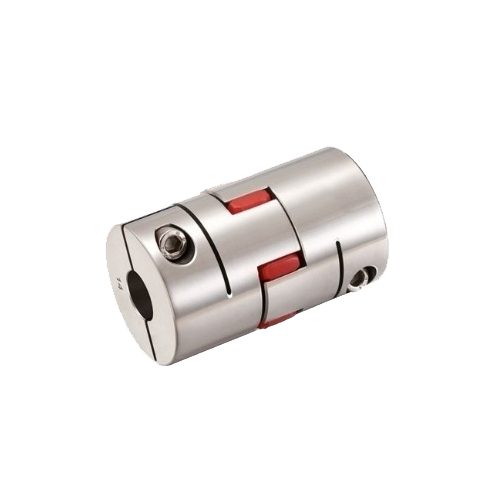
Tell us about your requirement

Price:
Quantity
Select Unit
- 50
- 100
- 200
- 250
- 500
- 1000+
Additional detail
Mobile number
Email

More Products in Couplings Category
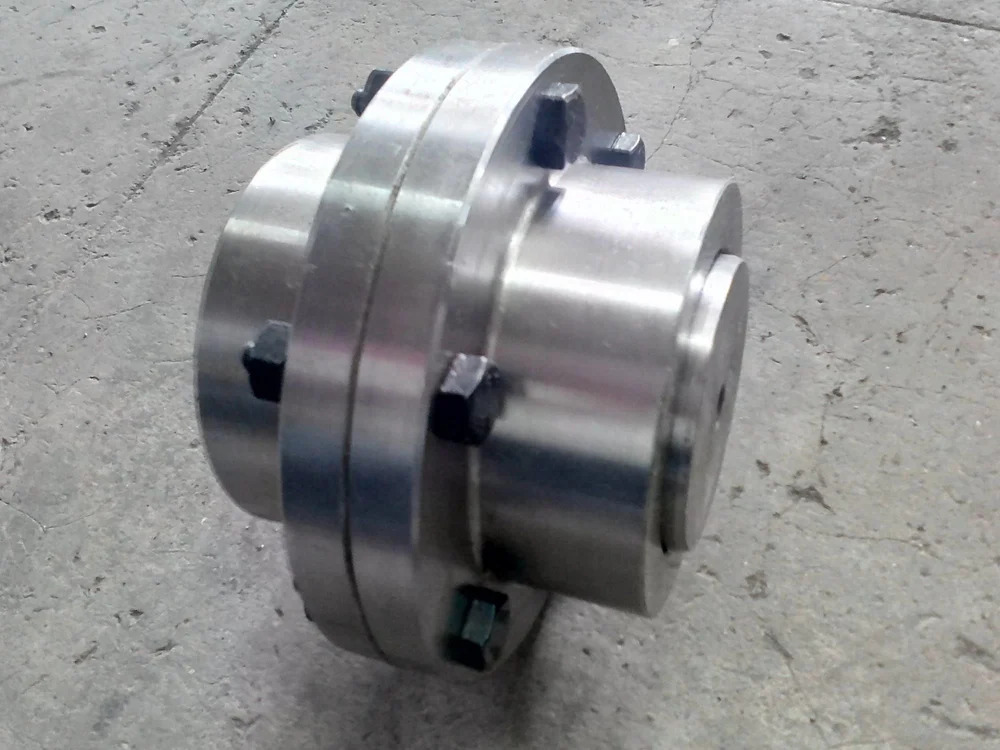
72mm Alloy Steel Coupling
Price 1500 INR / Piece
Minimum Order Quantity : 10 Pieces
Color : Silver
Material : Other , Alloy Steel
Usage : Chemical Handling Pipe
Features : Corrosion Resistance
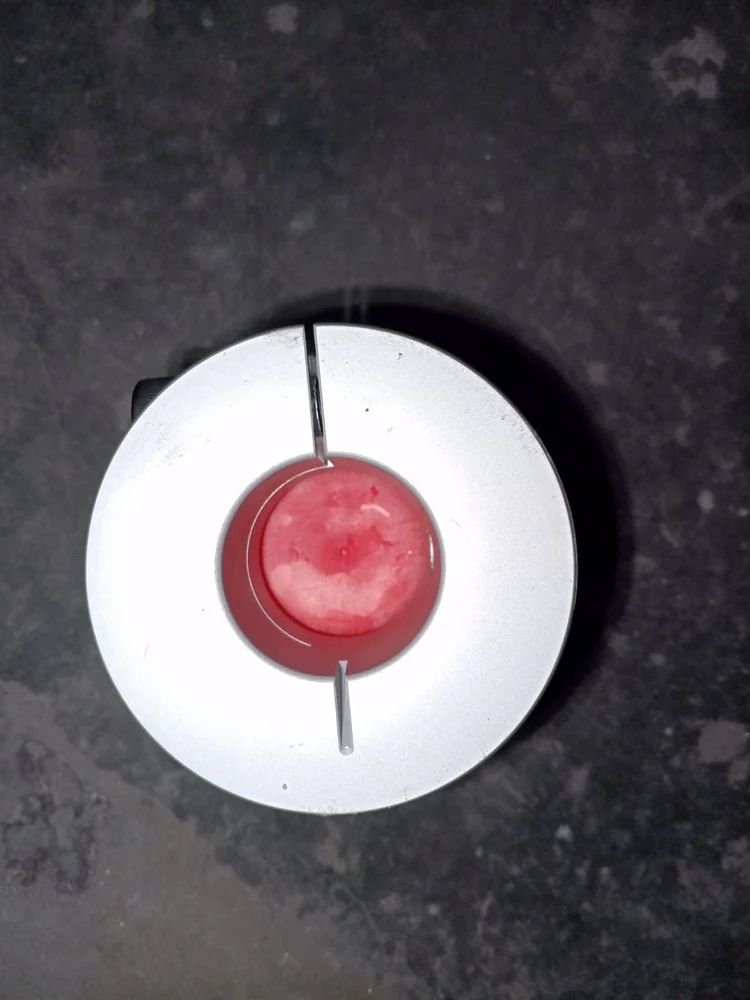
SS Round Cuppling
Price 850 INR / Piece
Minimum Order Quantity : 10 Pieces
Color : White and Red
Material : Stainless Steel
Usage : Industrial
Features : Corrosion Resistance
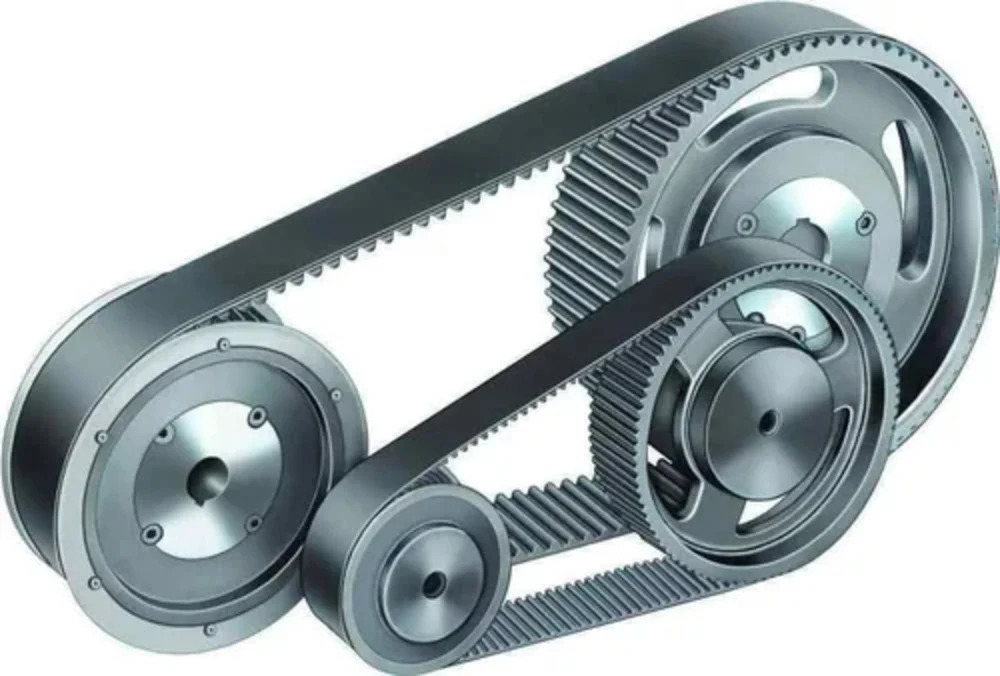
Timing Pully With Timing Belt
Minimum Order Quantity : 1 Piece
Color : Silver
Material : Stainless Steel
Usage : Industrial
Features : Corrosion Resistance

 Send Inquiry
Our Products
- AC VFD
- Servo Motor And Servo Drive
- Digital Readout
- Control Panel
- Servo Motor
- Linear Scale
- Ball Screw
- DC Drive
- DRO System
- HMI Touch Panel
- Milling Machine
- Programmable Logic Controller
- CNC Controllers
- Incremental Encoder
- Radial Drilling Machine
- Pipe Fittings
- Human Machine Interface (HMI)
- Linear Guideway
- Thyristor Heater Controller
- CNC Handweel
- Line Choke
- Ac Drive Panel
- Magnetic Strip (DRO)
- Industrial Magnetic Sensor (DRO)
- Injection Moulding Machine
- Servo Motors And Drives
- Servo Gearbox
- Timing Pulley
- Aluminium Profile (DRO)
- Dynamic Braking Resistor
- CNC Machine Controller
- Pandent Box
- Solid State Relay
- Vertical Machining
- VFD Drive
- Couplings


Plot 129, Anand Industrial Estate, Arthala Mohan Nagar,Ghaziabad - 201007, Uttar Pradesh, India

Mr. Ankur Pal
(Proprietor)
Mobile :08037734942
 Send Inquiry
Developed and Managed by Infocom Network Private Limited.
